Debunking the Myth of “Ceremonial Grade” Matcha
Introduction
When shopping for matcha, you’ve probably seen the label “ceremonial grade” plastered across packages, often at a premium price. It sounds authentic—something tied to centuries-old Japanese tea traditions. But here’s the truth: “ceremonial grade” is not a Japanese classification. It’s a Western marketing concept, designed to simplify and sell matcha quality to new audiences.
Let’s break down why this matters, how matcha is really graded in Japan, and how you can tell if your so-called “ceremonial grade” matcha is actually worth the hype.
What Matcha Grading Looks Like in Japan
In Japan, matcha has been cultivated and consumed for hundreds of years, especially within the art of chanoyu (the Japanese tea ceremony). Quality is judged by:
- Harvest season – first flush (ichibancha) leaves are considered highest quality.
- Shading – tea bushes are shaded before harvest to boost chlorophyll and umami.
- Processing – leaves destined for matcha are called tencha, which must be carefully steamed, dried, and stone-milled.
- Taste, aroma, and color – a vibrant green hue, rich umami, and smooth, creamy texture indicate premium matcha.
Instead of broad categories like “ceremonial” or “culinary,” Japanese tea masters use terms like usucha (thin tea) and koicha (thick tea) to describe how the matcha is prepared, not its quality tier.
Where “Ceremonial Grade” Came From
The phrase “ceremonial grade” is largely absent in Japan. It was popularized in Western markets to help consumers distinguish “drinkable matcha” from “matcha for lattes, smoothies, or baking.”
In Western marketing:
- Ceremonial grade = premium, meant to be whisked and enjoyed with water.
- Culinary grade = lower cost, often mixed into recipes.
While the distinction is helpful for beginners, it’s important to remember there’s no regulation around these labels. Two brands may both call their products “ceremonial grade,” yet the quality could vary dramatically.
The Marketing Appeal of “Ceremonial Grade”
Why did this term take off? Simple: it resonates. Western consumers are drawn to words like ceremonial, which evoke authenticity, tradition, and purity. It also makes pricing easier to justify—if something is labeled “ceremonial,” it feels worthy of a higher price tag.
The downside? Without standards, mislabeling is rampant, and buyers often end up paying ceremonial prices for matcha that’s far from premium.
How to Tell If Your Matcha Is Truly High Quality
Instead of relying on a label, look for these authentic quality markers:
- Origin: Does the brand specify the region in Japan? (e.g., Uji, Nishio, Kagoshima).
- Harvest: First harvest matcha is typically more vibrant and flavorful.
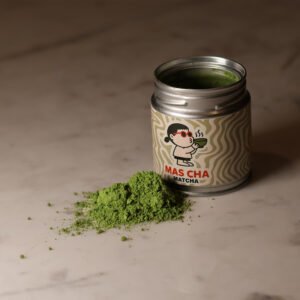
- Color: Bright, electric green is a good sign; dull or brownish tones suggest lower quality.
- Texture: Fine, talc-like powder indicates stone milling; gritty powder may mean shortcuts.
- Flavor: Balanced umami with natural sweetness, not harsh bitterness.
Brands that provide transparency about cultivation and processing are more trustworthy than those that only slap on “ceremonial grade.”
Final Thoughts
The term “ceremonial grade matcha” might sound ancient and official, but it’s a modern marketing invention tailored to Western buyers. True Japanese grading is far more nuanced, focusing on cultivation, harvest, and preparation methods.
So next time you’re buying matcha, don’t stop at the label. Look deeper—check origin, harvest, and taste. That’s the real path to finding matcha worthy of your daily ritual.
Need More Details?
For brewing tips, storage advice, and answers to common questions,
visit our FAQ page.